In Uzbekistan, the National Strategy for Combating Childhood Cancer for 2025-2030 has been developed and adopted in accordance with the Uzbekistan 2030 Strategy, the Global Initiative on Childhood Cancer (GICC), the SDGs with the support of WHO, UNICEF, the International Medical University of Vienna and other international organizations.
The event marks a new stage in the fight against childhood cancer, improves the system of providing pediatric care in ensuring a multidisciplinary approach to diagnosis and treatment.
The National Strategy paves the way for the modernization of healthcare, strengthens human resources and infrastructure potential and forms a unified approach to providing high-quality medical care to children at all levels.
“Childhood cancer is no longer a fight that families face alone - it is a national priority,” said Asilbek Khudayarov, Minister of Health of the Republic of Uzbekistan. "The Strategy is in line with our commitment to achieve at least a 60% survival rate and a 2.5-fold reduction in mortality by 2030, reflecting best global practices."
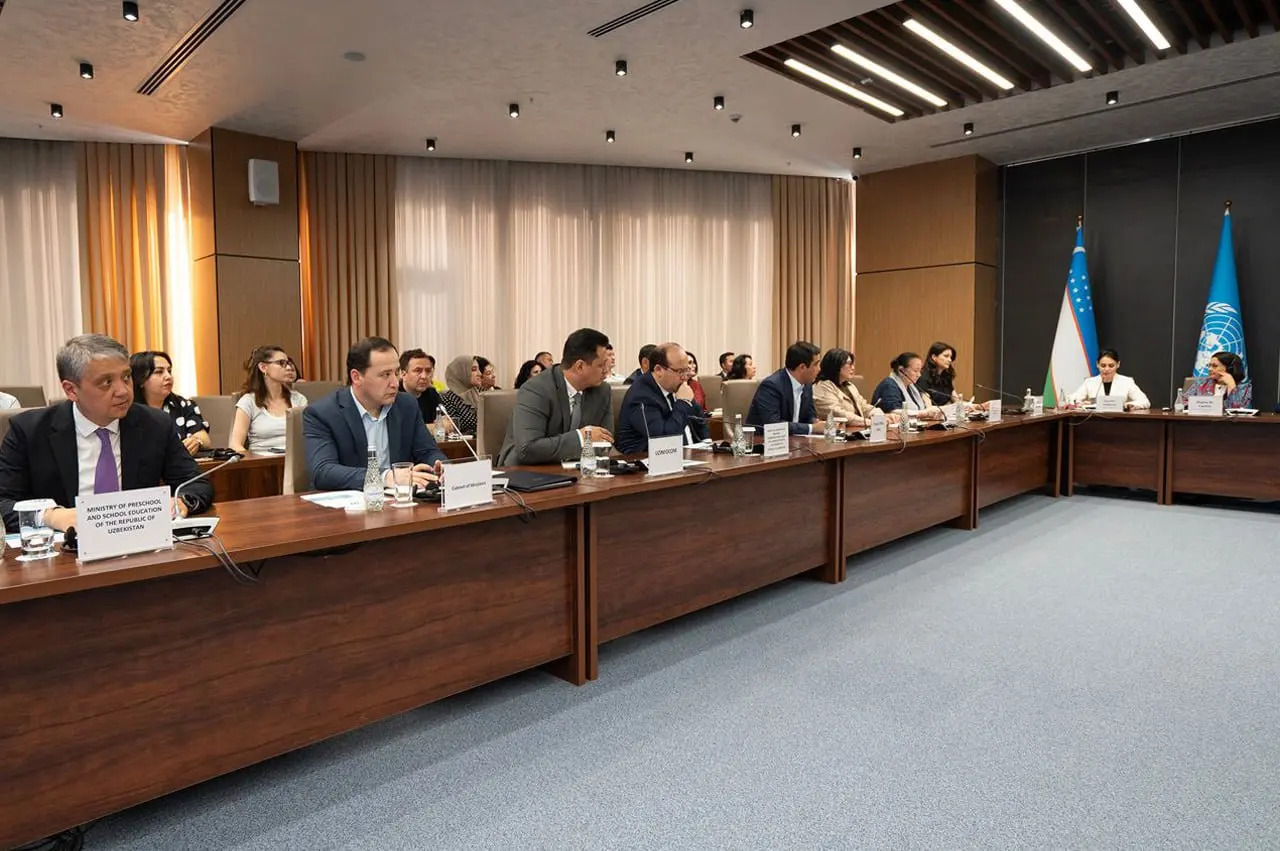
On May 15, leading representatives of ministries and departments, the Parents' Association, international organizations, including the Office of the UN Resident Coordinator in Uzbekistan, the World Health Organization (WHO), the United Nations Children's Fund (UNICEF), the United Nations Development Programme (UNDP), the United Nations Population Fund (UNFPA), the Food and Agriculture Organization of the United Nations (FAO), the United Nations Office for Project Services (UNOPS), public associations and industry experts discussed ways to implement the Strategy.
In a multisectoral dialogue, participants emphasized the importance of an integrated approach and discussed key elements: the need to introduce modern early diagnosis and treatment programs, improve the infrastructure of medical institutions, train qualified personnel, provide medical care through the digitalization of oncology services, comprehensive monitoring systems, as well as ways of psychosocial and family support.
Speaking at the event, Dr Asheena Khalakdina, WHO Representative in Uzbekistan, noted: “Development of a national childhood cancer strategy – a document with clear goals, specific measures and necessary resources to save as many children’s lives as possible – is an important step for Uzbekistan. This strategy will help expand access to quality care for children with cancer based on real data collected in the country.
Uzbekistan has already made confident steps forward. The country joined the WHO Global Initiative to Stop Childhood Cancer and became a participant in the Global Platform for Medicines for Children with Cancer. Thanks to this, today children in 16 medical institutions across the country receive safe, effective and free medicines.
WHO will continue to support Uzbekistan, especially in establishing a governance system, coordinating efforts and using data to make the strategy work in practice.”
“A multisectoral strategy on childhood cancer is imperative and represents a major opportunity to accelerate progress in the fight against cancer and bring together all key actors,” said Regina Maria Castiglio, UNICEF Representative in Uzbekistan. “This collective approach is important because fighting childhood cancer not only saves lives, but also reduces the long-term economic burden on families and the health system.”